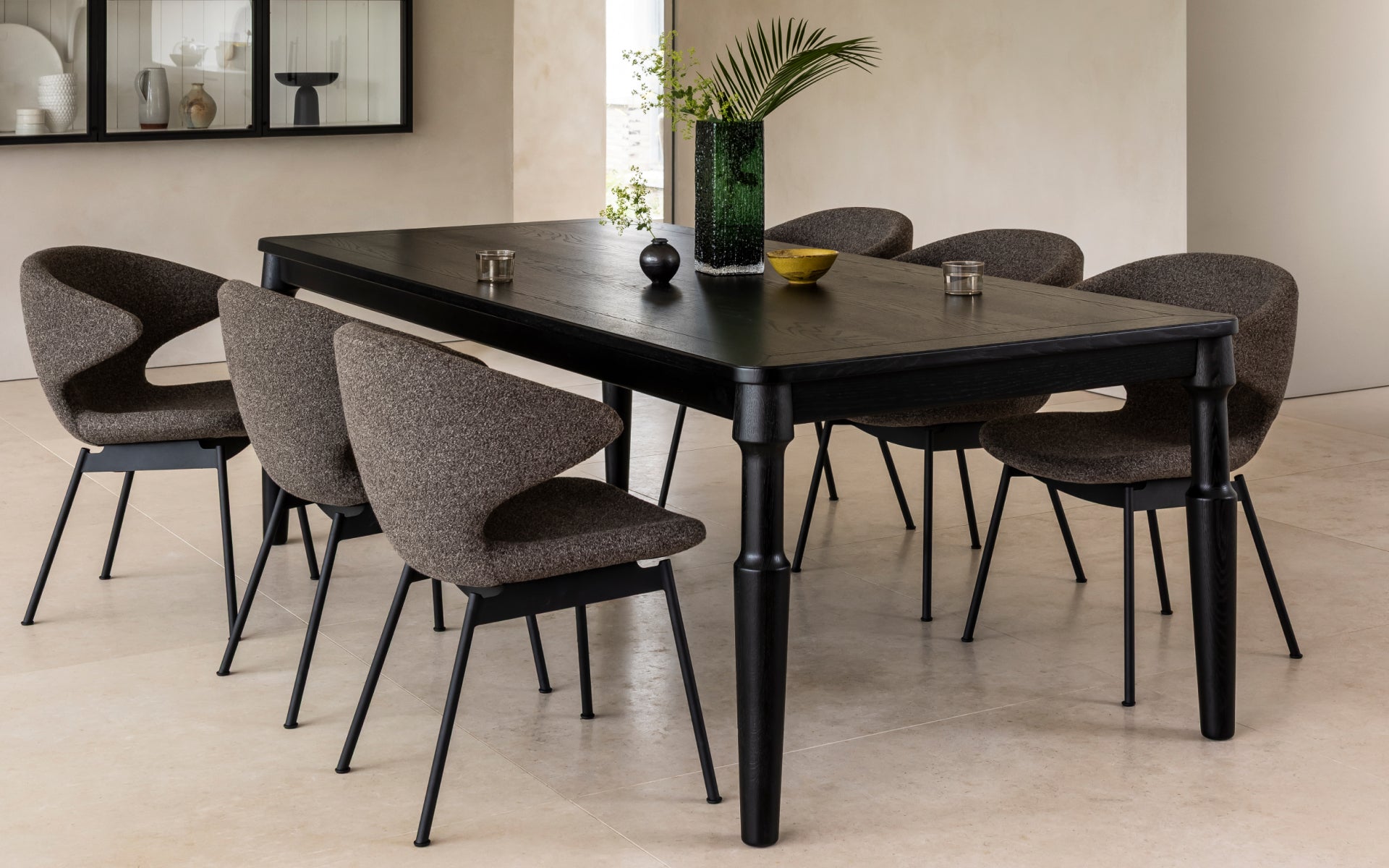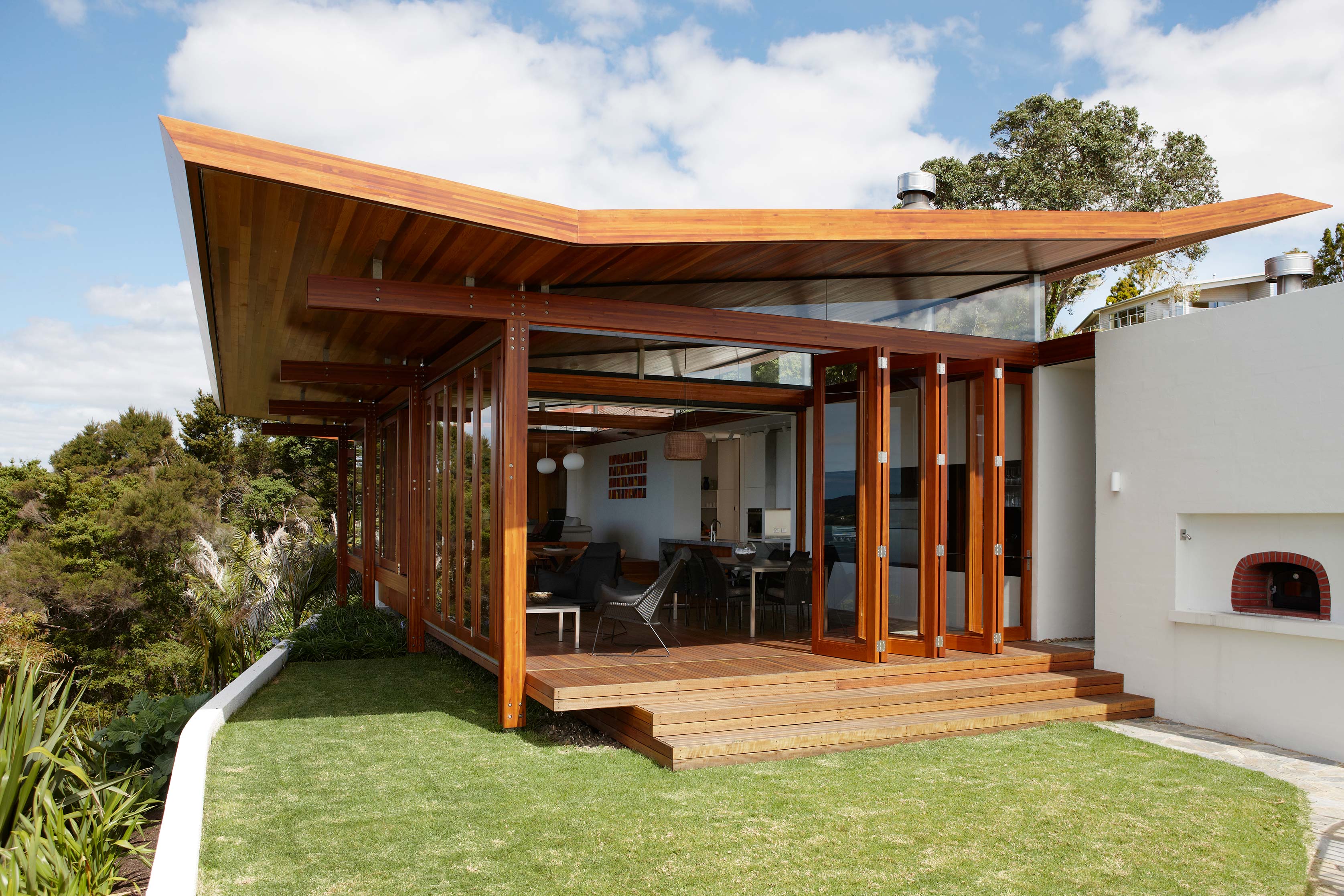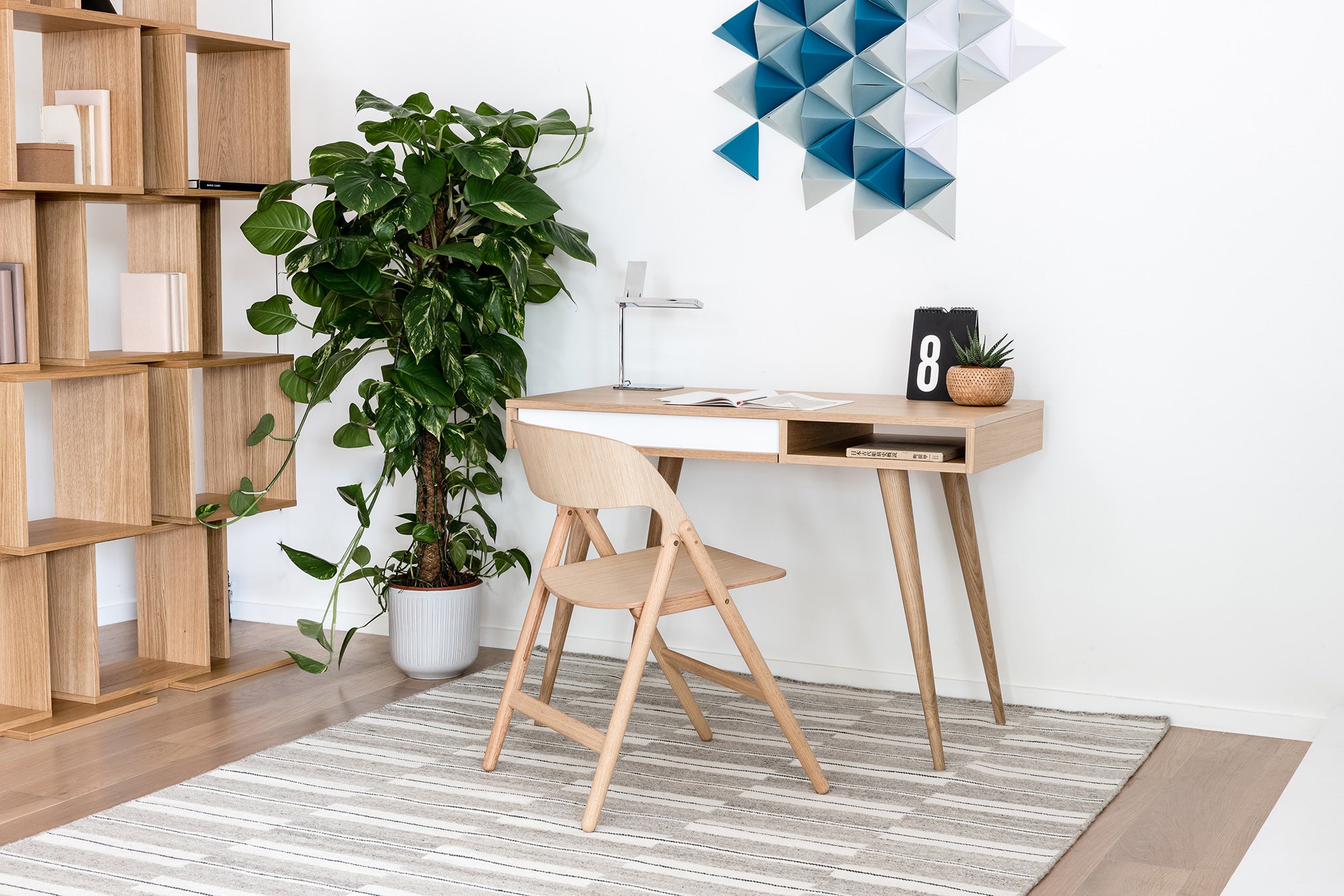
In this blog post, we’ll be talking about colours, lines, spaces and how they can relate to modern furniture design.

The Use of Colours, Lines and Spaces in Design

There are some essential elements in art that every artist learns the value of early during their studies. These are as follows: • Colour • Line • Space • Shape • Value • Texture These are the six elements that make up a piece of artwork. In furniture design, we mainly concern ourselves with colours, lines and spaces. The shape is often predefined based on the functionality of a piece of furniture e.g. a chair must function as a chair. Value describes the tint and shade of colours that we use, the lightness or darkness of tones or colours. White is the lightest value; black is the darkest. The value halfway between these extremes is called middle grey. Furniture design doesn’t always have direct control over the value due to the pigments used in materials and also the lighting of a room which can have an effect on the value of the colour. Lastly, the texture is defined by the type of material you use and is controlled by the production of the piece in furniture or interior design, hence the omission for designing our homes. What we are left with are colour, line and space. Colour is the use of colours to promote different kinds of moods and feelings. The way an artist or designer uses colour is personal to their style. Some artists want to provoke a sense of calmness and tranquillity in their designs and art, so they steer towards earthy colours such as white, green and light brown. Other artists want to promote intimacy in their designs, so they use passionate colours like red, yellow and purple. It’s important to have a good grasp of colour psychology because it can have a major impact on the type of feeling your room has when you delve into contemporary interior design.
Download the eBook

To read more from this post, download The Ultimate Guide to Contemporary Furniture eBook...

Case Journal

Newnham College, University of Cambridge

Newnham College, University of Cambridge

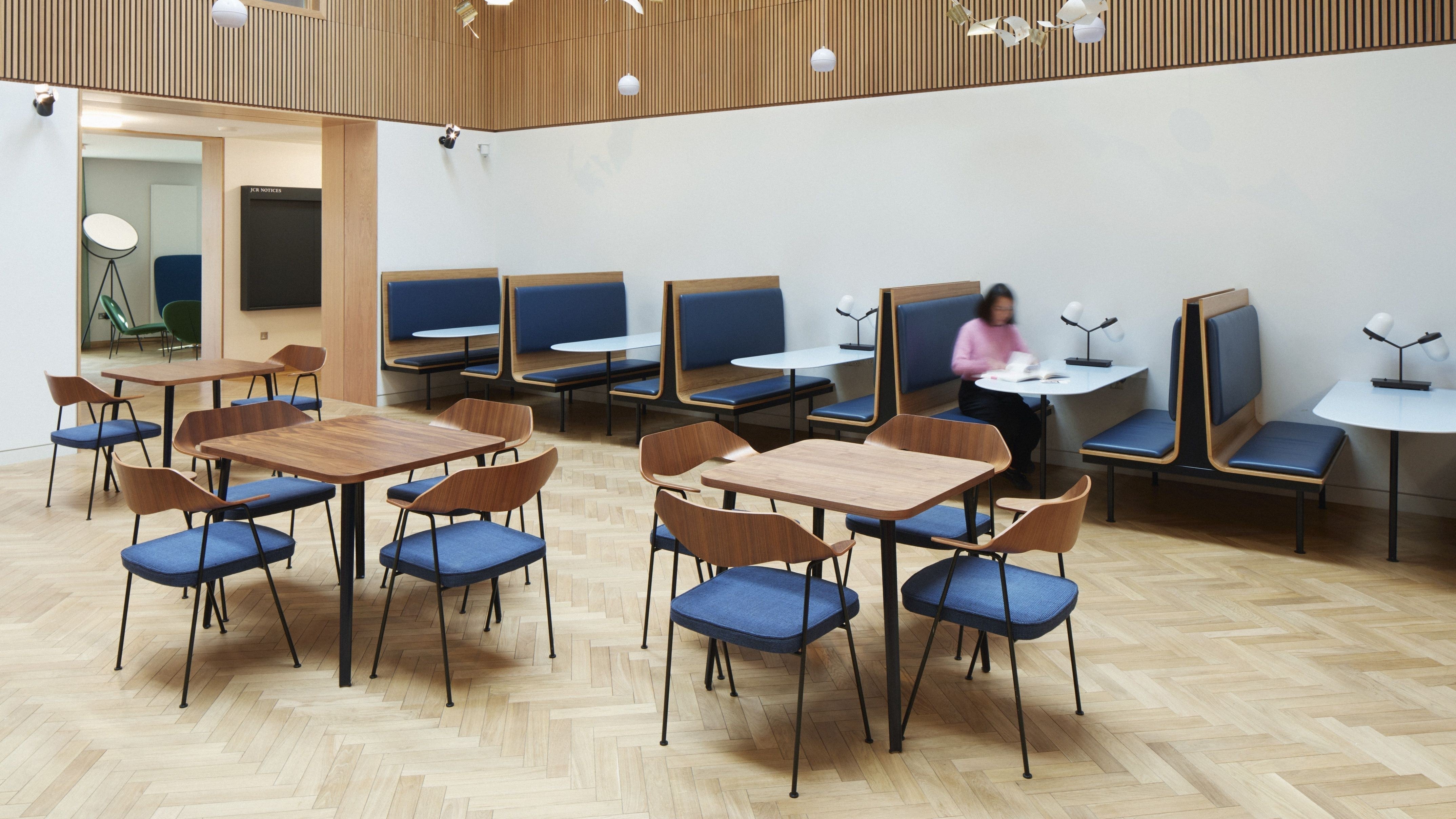
The Dorothy Garrod Building at Newnham College, University of Cambridge, is a contemporary addition to a historic academic setting. Completed in 2018 and designed by Walters and Cohen, the building forms part of a wider campus defined by heritage architecture,...

Read more

Outdoor Furniture Guide

Outdoor Furniture Guide

Our outdoor furniture guide gives you options and ideas to think about when planning your haven at home. From which material, to choosing the right layout of your furniture, we have got you covered.

Read more

The Ultimate Christmas Gift Guide

The Ultimate Christmas Gift Guide

We know how hard it can be to think of presents for everyone (dads - we’re looking at you), so we've put together a list of thoughtful gifts for your loved ones. With the help of our Ultimate Christmas Gift...

Read more

An Heirloom in the Making: The Danbury Table by Matthew Hilton

An Heirloom in the Making: The Danbury Table by Matthew Hilton

The Danbury table is a quiet and grounding centrepiece, reimagining the classic farmhouse table for modern living while remaining timeless in character. Crafted from solid timber using traditional joinery and time-honoured woodworking techniques, every detail reflects strength, simplicity, and warmth....

Read more

In Conversation: The Story Behind the Prinds Table

In Conversation: The Story Behind the Prinds Table

From a bustling Oslo café to homes worldwide, the Prinds table by Jenkins & Uhnger for Case is designed to adapt. A versatile, durable piece that seamlessly shifts between dining and working.

Read more

Bay of Islands House, New Zealand

Bay of Islands House, New Zealand

Nestled in the lush vegetation of the idyllic island of Paihia, New Zealand, lies the striking Bay of Islands House by award-winning Herbst Architects. Situated on a hill, it enjoys stunning views of sandy beaches and turquoise waters as far...

Read more