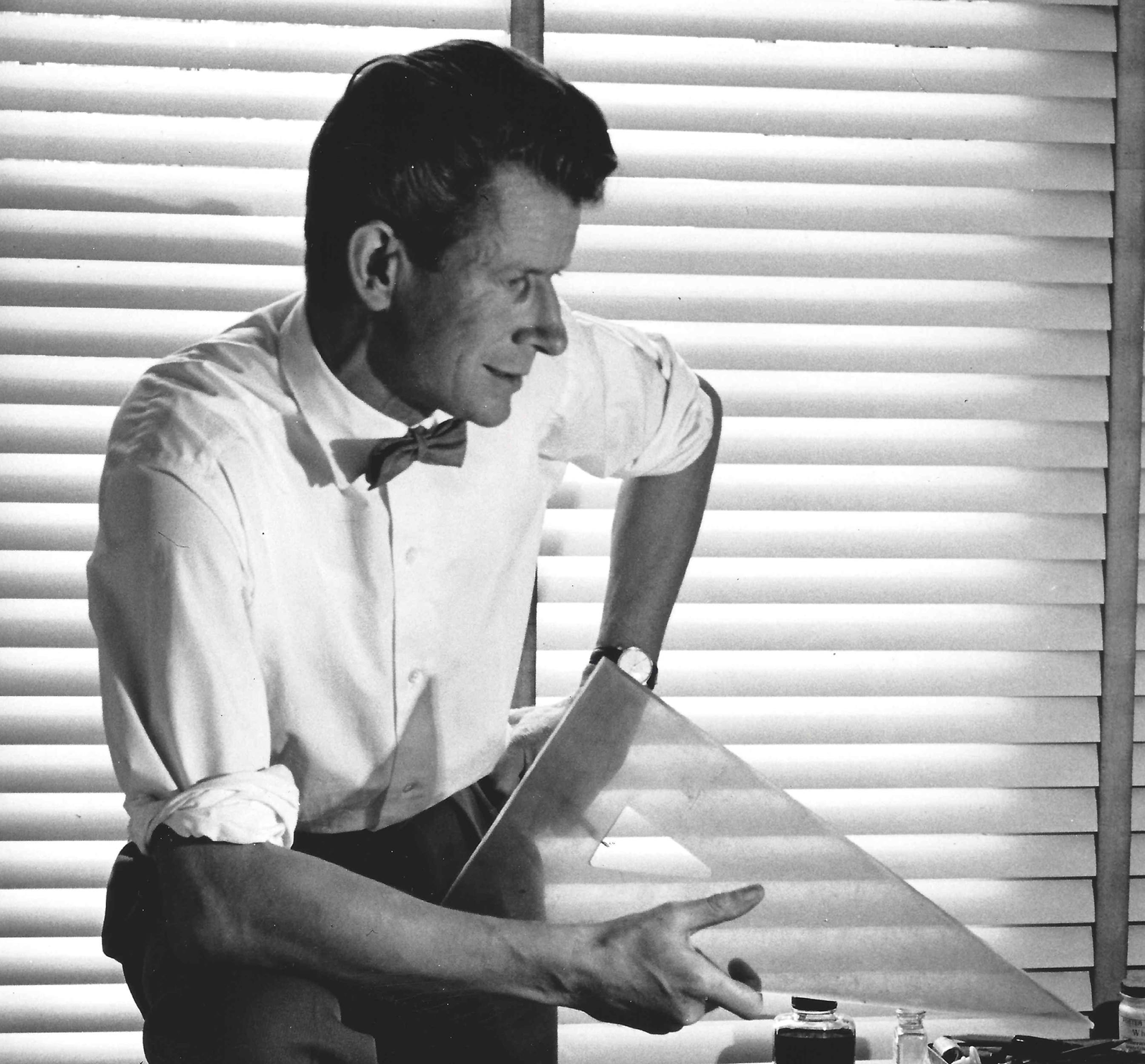
Robin Day "resisted the lure of fashion, disapproving of designers who worked on purely superficial stylistic lines" Lesley Jackson.

On this very day, 100 years ago, Robin Day was born in High Wycombe, Buckinghamshire; a county with a history in furniture-making dating back to the 18th Century.

In fact, Daniel Defoe, author of the classic novel Robinson Crusoe noticed in 1725 that there was: "a vast quantity of Beechwood which grows in the woods of Buckinghamshire more plentifully than in any other part of England". He also added that this timber was used for: "...beech quarters for diverse uses, particularly chair making and turnery wares".

Designs towards the end of the War, and immediately after, were strongly influenced by the Government imposed utility scheme lasting ten years from 1941. Demand for domestic furniture was high, but the trade was frustrated by shortages of fuel and materials. Most companies produced furniture within the Utility range, while a small number of luxury orders kept higher class factories going. Shortages eased and controls were lifted over time. [1 Furniture making in Wycombe]

To celebrate his life and to mark the huge contribution he made to our everyday lives, an exhibit focusing on Day’s passionate interest in wood – an aspect of his work often overlooked – will be on display outside the V&A’s Britain 1500-1900 Galleries from 19th September.

Born on 25th May 1915, Day’s prolific body of work spanned 60 years including the 1963 Polypropylene chair for which he is most famous. But wood, rather than synthetic materials, was at the heart of his work and life. The exhibit, curated by Jane Withers and supported by the Robin and Lucienne Day Foundation, will explore this in more detail through a combination of Day’s extensive archives and an installation by design and architecture collective Assemble.
Case Journal

Introducing Aaron Probyn: Case's Newest Design Collaborator

Introducing Aaron Probyn: Case's Newest Design Collaborator

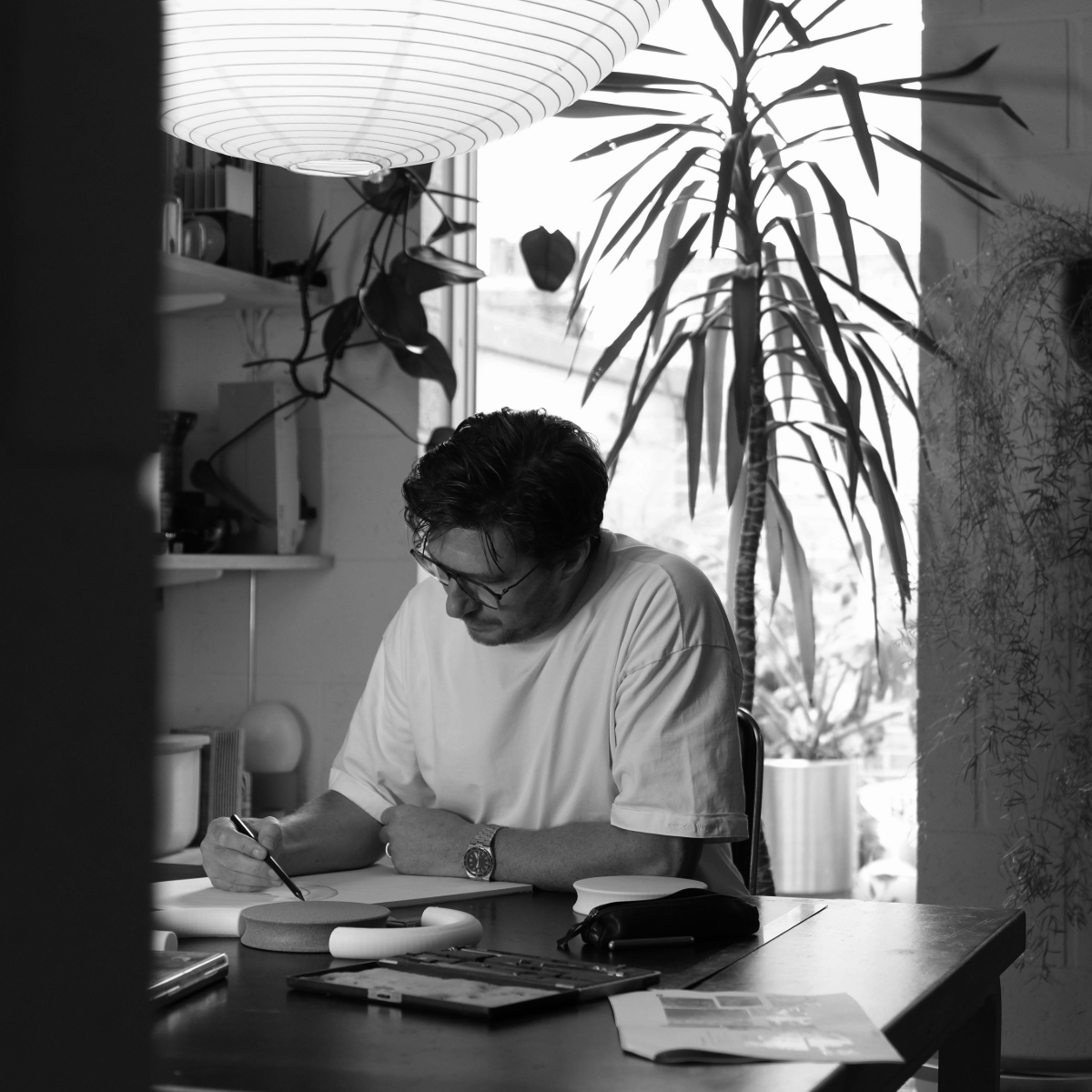
We're introducing Aaron Probyn, the latest designer to join the Case family. Aaron's debut collection for Case includes ceramic dipping bowls, a cork trivet and a series of vases inspired by the basalt columns of Northern Ireland's Giant's Causeway.  We...

Read more

SmartFlyer Penthouse by HUXHUX Design

SmartFlyer Penthouse by HUXHUX Design

When SmartFlyer asked HUXHUX Design to reimagine their New York headquarters, the result was a "third space" that borrows from hospitality and residential design as much as the workplace, with a library lounge, a 20-foot communal table and a Tuscan-inspired...

Read more

Goodwood Art Foundation

Goodwood Art Foundation

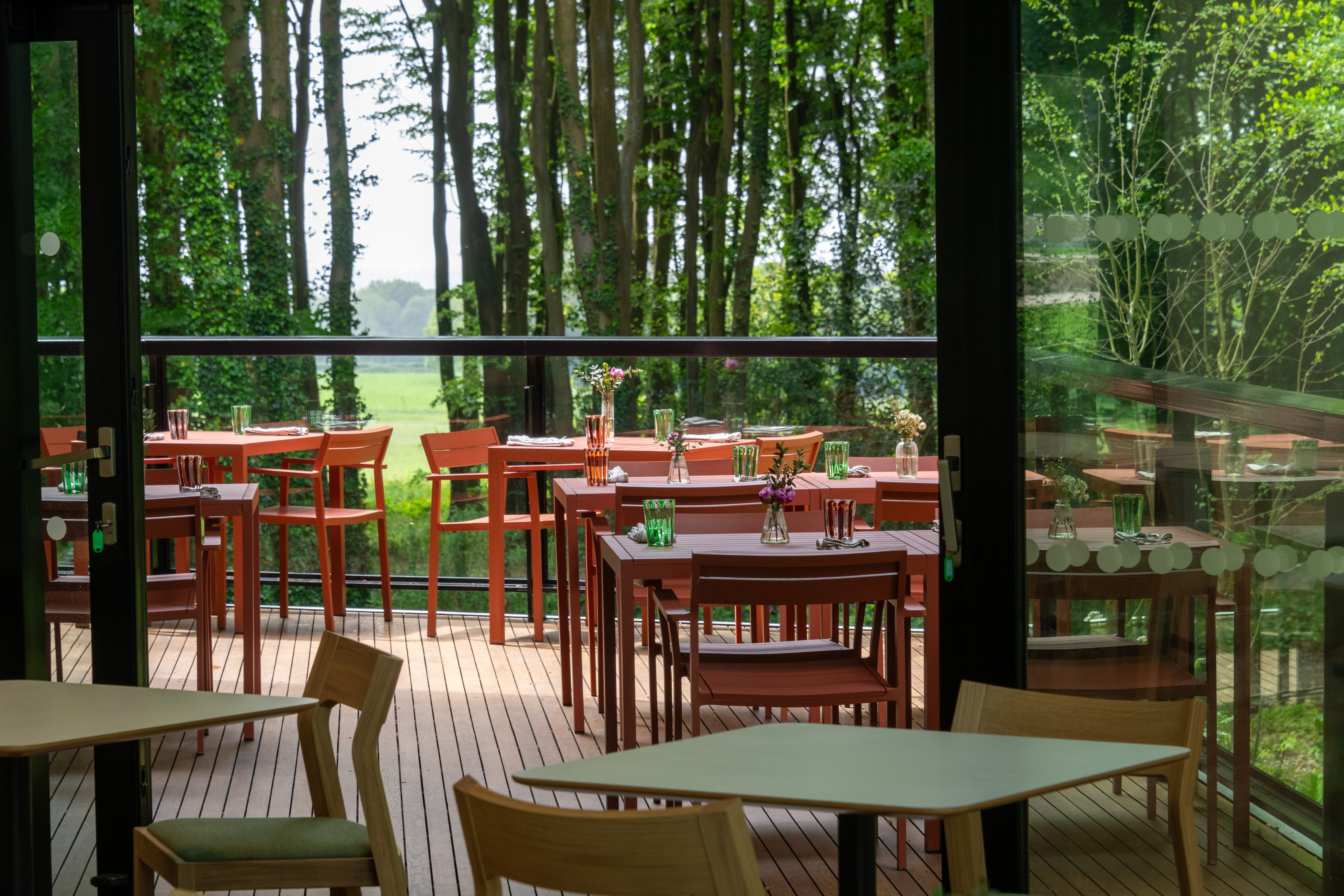
Located within the historic Goodwood Estate in West Sussex, the Goodwood Art Foundation is a new cultural destination where contemporary art, landscape and learning come together in a setting designed to inspire. Case furniture was specified throughout the Foundation's café...

Read more

Cañadío Restaurant, Santander, Spain

Cañadío Restaurant, Santander, Spain

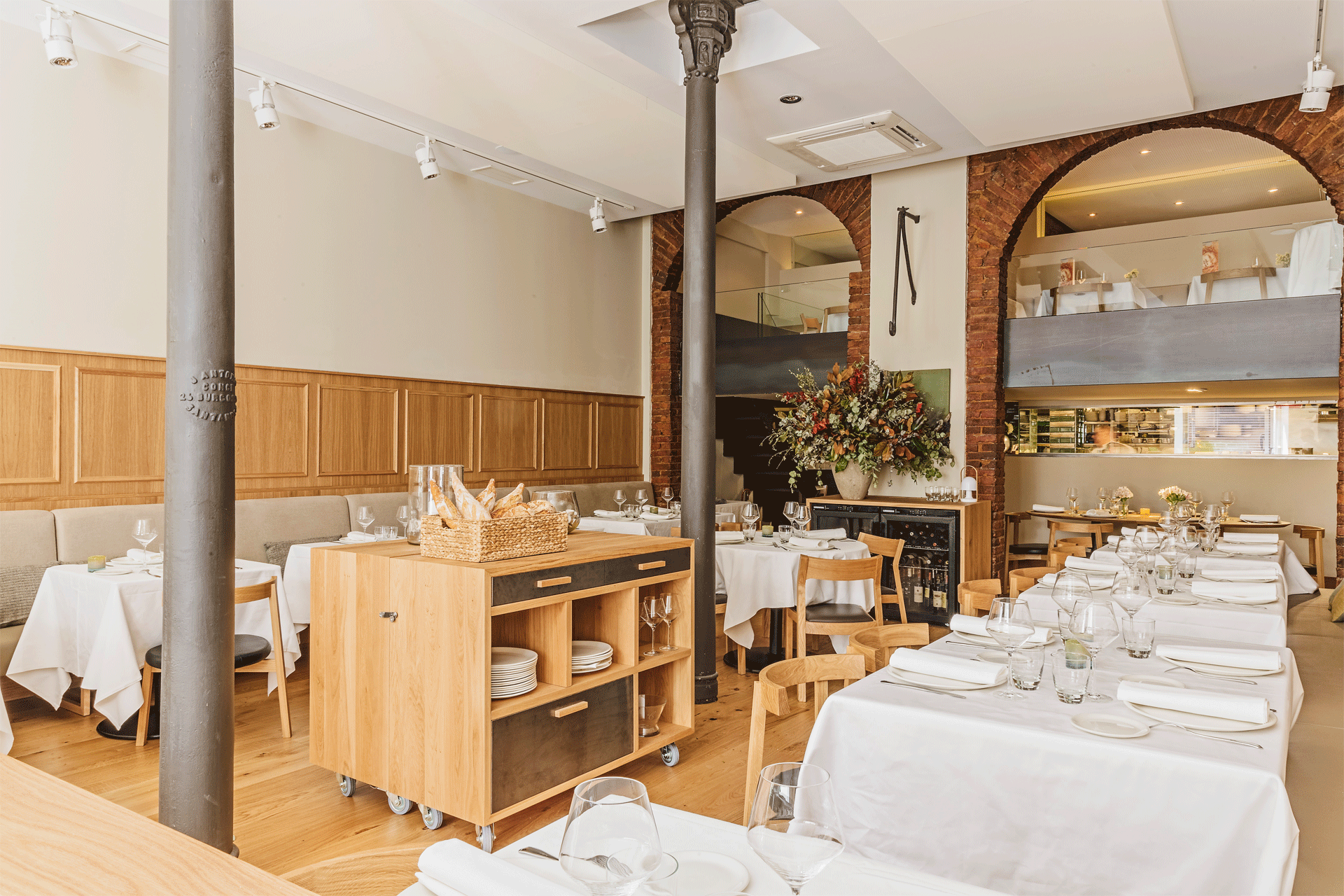
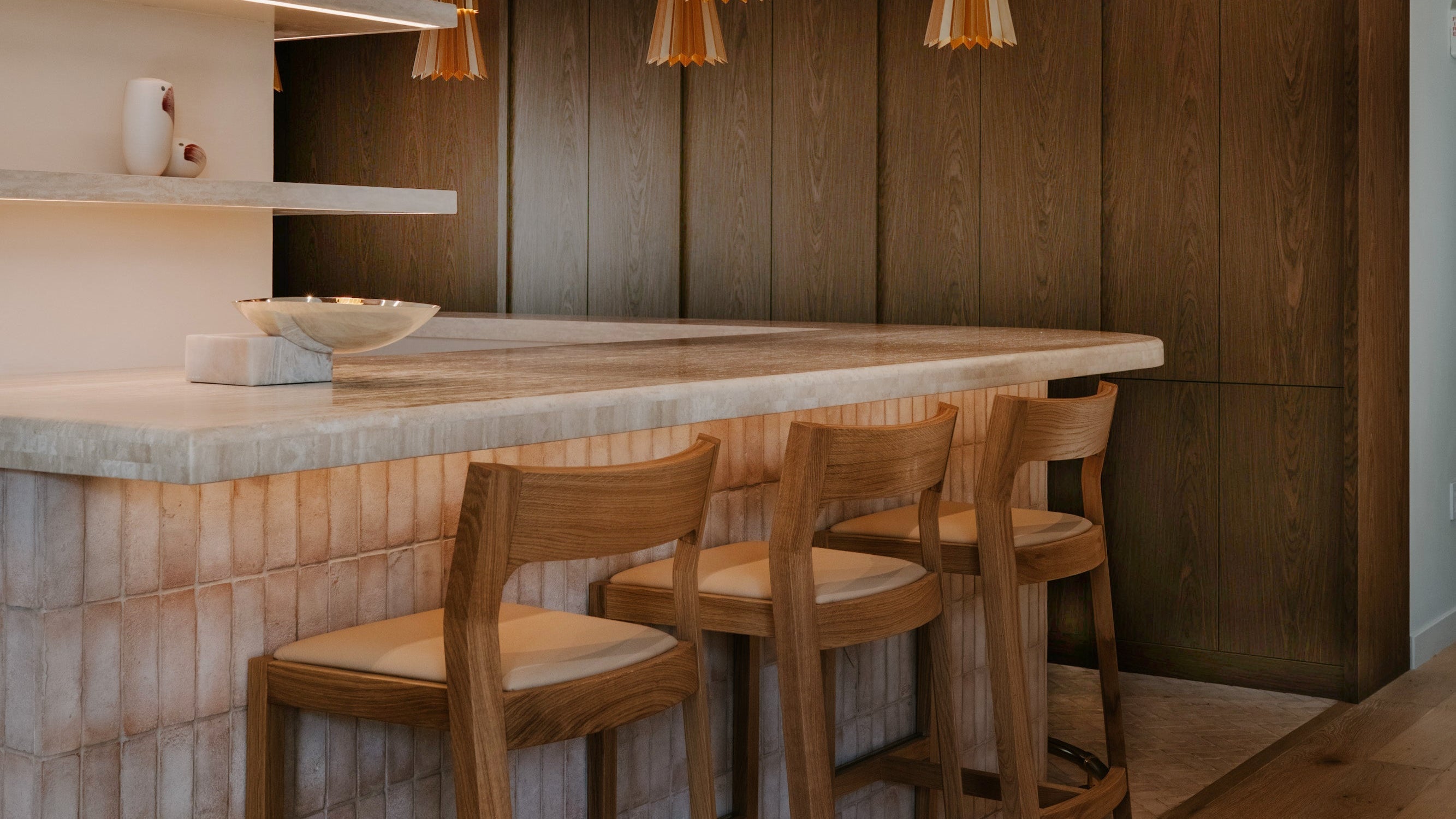
Designed with a contemporary and elegant aesthetic, the Cañadío Restaurant in Santander offers sophisticated and creative cooking, with inspiration from the local town. In conjunction with Zooco Estudio, we supplied the Oki-Nami Chair by Nazanin Kamali, and the Profile Chair...

Read more

Design Notes: Matthew Hilton on Campus

Design Notes: Matthew Hilton on Campus

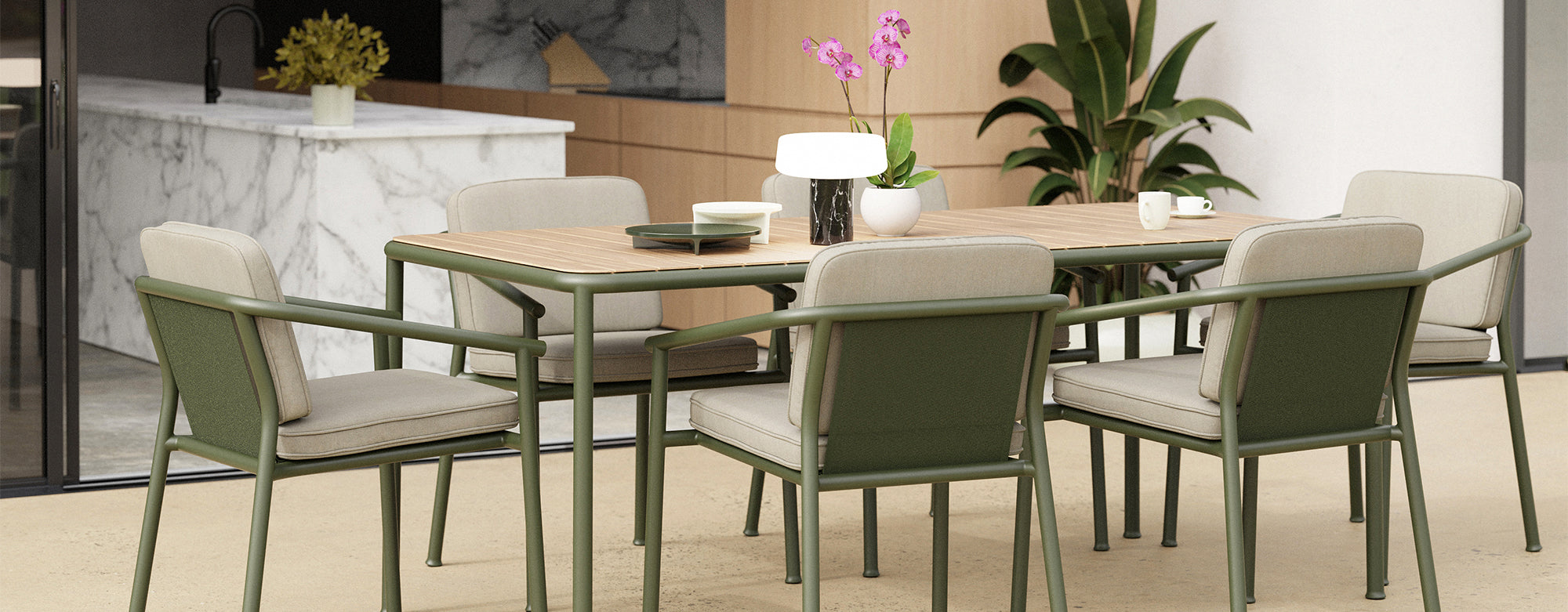
We sat down with Matthew Hilton to discuss the design approach and process behind his new Campus Outdoor Collection for Case. How do you approach the balance of comfort, durability and aesthetics when designing for the outdoors?As with all my...

Read more

Southbank Centre, Royal Festival Hall

Southbank Centre, Royal Festival Hall

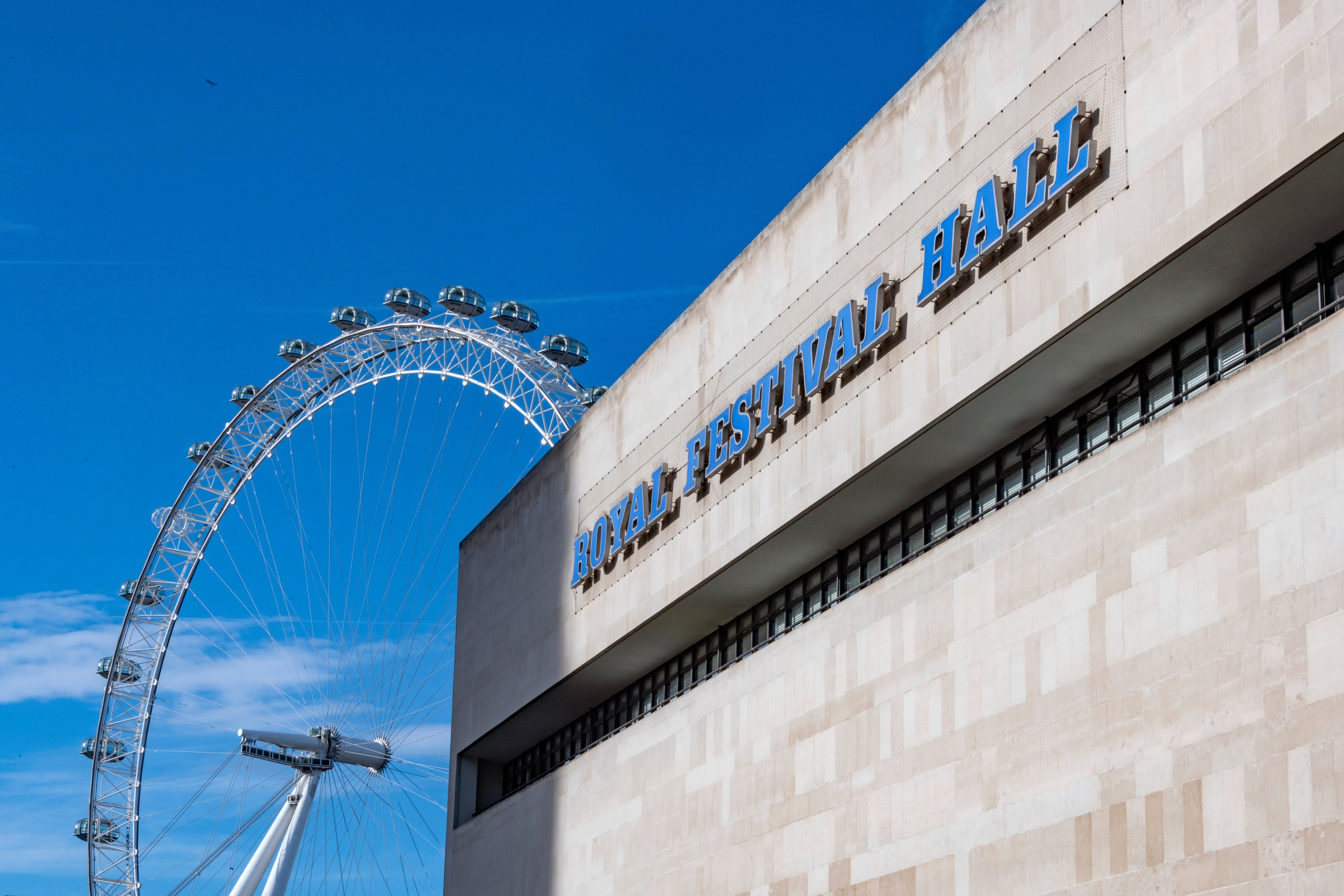
As part of its 75th anniversary, the Royal Festival Hall at the Southbank Centre has undergone a considered refresh of its hospitality spaces, with Case Furniture specified throughout the redesign. Working within this landmark setting, Sedley Place approached the project...

Read more